
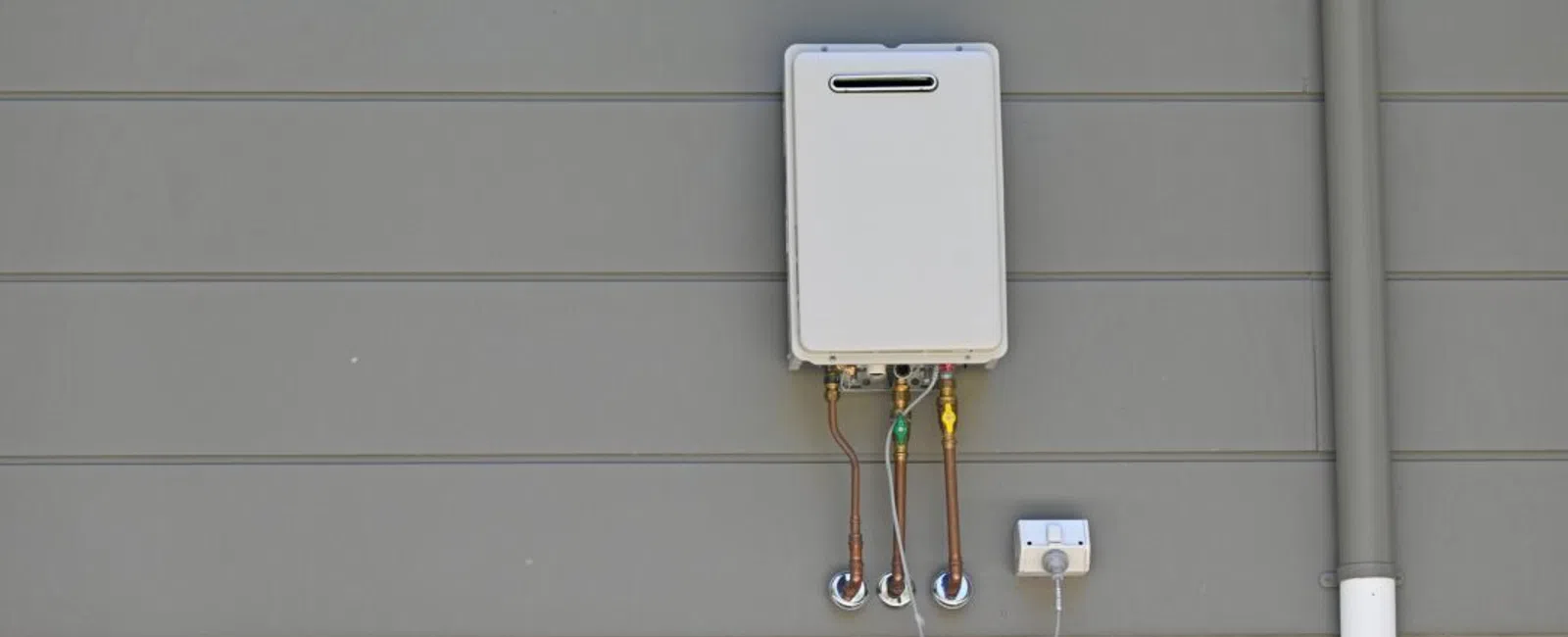
Maintaining a tankless water heater involves flushing the system annually to remove mineral buildup, cleaning the air and water filters every few months, and monitoring temperature settings to reduce strain on the unit. Consistent upkeep can extend a tankless unit's lifespan well past 15 years and keep energy costs low by preventing the sediment buildup that forces the heater to work harder. Skipping maintenance is the single biggest reason tankless units fail early, since hard water minerals accumulate inside the heat exchanger and gradually choke off performance.
Why Tankless Water Heater Maintenance Matters
A tankless water heater doesn't sit around holding a reservoir of hot water like a traditional tank. Instead, it heats water on demand as it passes through a compact heat exchanger. That design is efficient, but it also means the internal components are constantly exposed to whatever minerals are dissolved in your water supply. Over time, calcium and magnesium deposits coat the inside of the heat exchanger the same way they build up on a coffee maker's heating element. Left unaddressed, that scale reduces flow, forces the unit to run hotter to compensate, and shortens the life of a system that should otherwise last two decades.
Think of maintenance like changing the oil in a car. You can skip it for a while, and the engine will still run, but you're quietly shortening its life every time you put it off. A tankless water heater rewards a little routine attention with years of reliable performance, and it punishes neglect with early breakdowns and shrinking hot water output.
Clean the Exterior and Air Filter
Start with the basics. Wipe down the exterior casing with a soft cloth to keep dust and debris from working their way into the internal components. If your model has an air filter or intake screen, check it regularly. A clogged air filter restricts airflow, which forces the burner to work harder and drives up energy consumption. Most manufacturers recommend inspecting the air filter every few months and cleaning or replacing it as needed, especially in homes with pets or higher dust levels.
This is one of the easiest maintenance tasks on the list, and it's also one homeowners overlook the most. A five-minute check every season can prevent the kind of strain that leads to a service call down the road.
Clean the Water Inlet Filter
Most tankless units have a water inlet filter designed to catch sediment before it enters the heat exchanger. When that filter clogs, water flow slows down, efficiency drops, and the unit has to work harder to deliver the same amount of hot water. Cleaning the inlet filter every few months keeps water moving freely and protects the more expensive components downstream.
While you have the filter out, take a moment to inspect it for leaks, worn seals, or cracked housing. Small issues here are inexpensive to fix but can turn into bigger problems, including reduced hot water pressure or a full system failure, if they go unnoticed. If anything looks damaged, it's worth having a licensed plumber take a look before reassembling the unit.
Adjust the Temperature Setting
Many tankless water heaters ship with a factory setting higher than most households actually need. Lowering the temperature to around 120 degrees Fahrenheit reduces standby energy loss, cuts utility costs, and puts less thermal stress on internal components. That lower setting also reduces the risk of scald injuries, which makes it a smart adjustment for homes with young children or older adults.
A slightly cooler setting doesn't mean weaker hot water. Most households don't notice a meaningful difference in comfort, but they do notice a difference on their energy bill and in how long the unit lasts before needing repairs.
Flush the System Annually
Flushing is the single most important maintenance task for a tankless water heater, and it's the one most likely to get skipped. The process circulates a descaling solution, typically distilled white vinegar, through the unit to dissolve mineral deposits that have built up on the heat exchanger.
A typical flush involves shutting off the power and water supply, connecting a small pump to the cold water inlet, and running the descaling solution through the system for about an hour before flushing it with clean water. Homes with hard water should flush more often, sometimes every six months, since mineral buildup accumulates faster when water hardness is high. Homes with softened water can often stretch to an annual flush without issue.
This process involves working with gas lines or electric connections and water lines, so many homeowners choose to have a licensed plumber handle it rather than attempting it solo. A professional flush also gives your plumber a chance to inspect the unit for early warning signs of wear that are easy to miss otherwise.
How Often Should You Flush a Tankless Water Heater
Most manufacturers recommend flushing once a year for average water conditions. If your home has notably hard water, cutting that interval to every six months helps prevent scale from building up faster than the system can handle. A plumber can test your water hardness and recommend a flushing schedule tailored to your home rather than relying on a generic timeline.
Descaling and When to Call a Professional
Descaling goes a step further than a routine flush by targeting more stubborn mineral deposits that have already started affecting performance. This is a task best left to a licensed plumber. Tankless units involve gas lines, electrical connections, and precise water pressure requirements, and an improper descaling attempt can damage the heat exchanger or create a safety hazard.
A professional descaling service typically restores lost efficiency, quiets any rumbling or popping sounds coming from the unit, and can add years back onto the equipment's expected lifespan. If it has been more than a year since your last professional service, it's a good time to schedule one.
Signs Your Tankless Water Heater Needs Service
A few warning signs suggest it's time to call a plumber rather than waiting for the next scheduled maintenance visit. Inconsistent water temperature, a noticeable drop in hot water flow, unusual noises from the unit, or an error code on the display all point to a system that needs attention. Ignoring these signs typically leads to bigger repairs later, since small issues in a tankless system tend to compound rather than resolve on their own.
Frequently Asked Questions
How often should a tankless water heater be flushed?
Most manufacturers recommend an annual flush for homes with average water hardness. Homes with hard water benefit from flushing every six months to prevent mineral buildup from accumulating faster than the system can tolerate.
Can I maintain a tankless water heater myself?
Basic tasks like wiping down the exterior, cleaning the air filter, and checking the water inlet filter are safe for most homeowners to handle. Flushing and descaling involve gas, electrical, and water connections, so a licensed plumber is best equipped to handle those tasks.
What happens if I never flush my tankless water heater?
Mineral deposits will gradually coat the heat exchanger, reducing hot water flow and efficiency over time. Left unaddressed long enough, this buildup can cause premature failure of the unit, often years before its expected lifespan is reached.
Does lowering the temperature setting save money?
Yes. Reducing the temperature to around 120 degrees Fahrenheit lowers standby energy loss and reduces strain on internal components, which can meaningfully cut utility costs over the life of the unit.
How long does a well-maintained tankless water heater last?
A tankless water heater that receives regular maintenance can last 15 to 20 years or longer, compared to the 8 to 12 year average lifespan of a traditional tank water heater.
Keeping a tankless water heater running efficiently comes down to consistent, manageable upkeep rather than any single fix. If it's been a while since your unit was flushed or inspected, Tom Falk Plumbing and Heating can help. Our licensed plumbers have been serving homeowners since 1961, and our master and journeyman plumbers can flush, descale, and inspect your tankless water heater system to keep it running at full efficiency. Call 717-872-2850 or schedule service online to get your unit checked before minor buildup turns into a bigger repair.


