
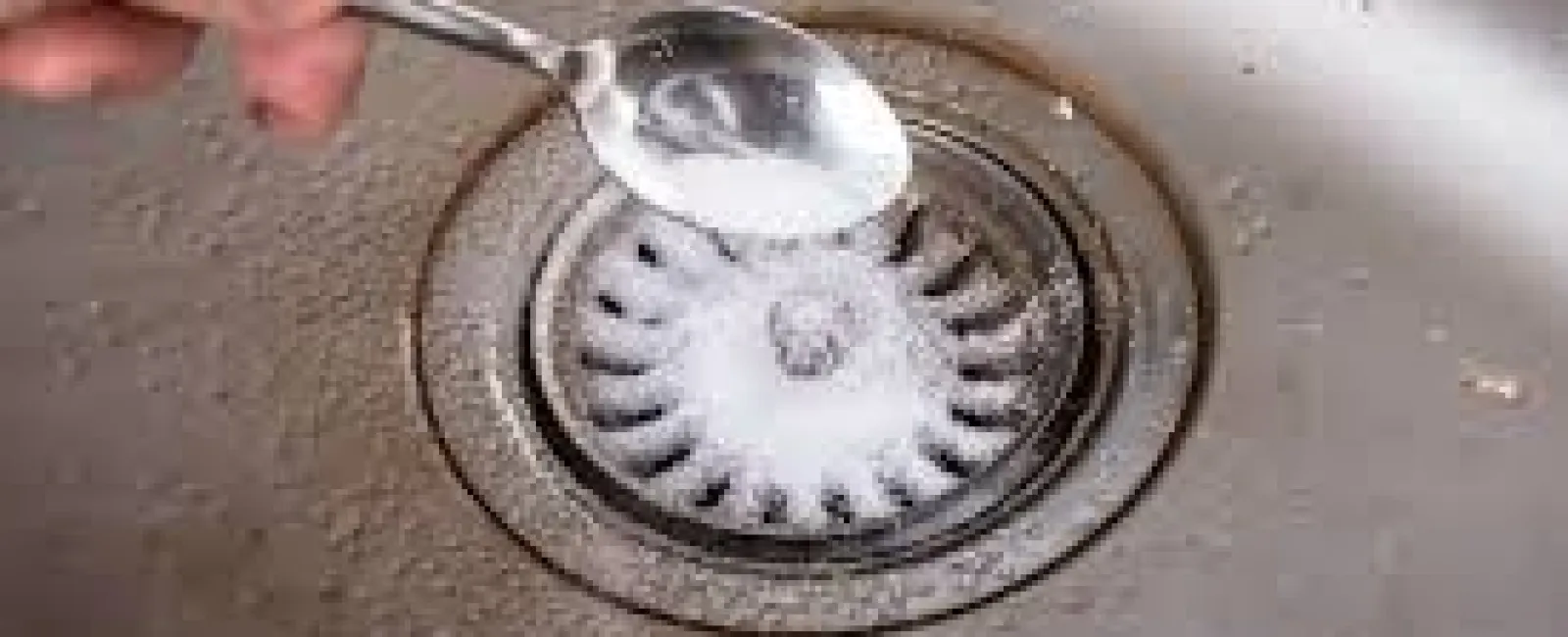
A stinky drain is usually caused by a buildup of bacteria, soap scum, hair, grease, or food particles trapped inside the pipe. To clean a smelly drain, flush it with boiling water, then pour a half cup of baking soda followed by one cup of white vinegar down the opening and let it fizz for 30 minutes before rinsing with hot water. If the odor persists, the P-trap may need to be cleaned, or there may be a deeper issue, such as a dry trap, a clogged vent pipe, or sewer gas seeping into your home. Regular maintenance, including weekly hot-water flushes and occasional baking-soda treatments, keeps drain odors from coming back.
Nobody wants to walk into the kitchen or bathroom and catch a whiff of something foul rising from the sink. It happens more often than you might think, and the good news is that most smelly drains can be fixed with a little know-how and a few things you probably already have at home. Below, we will walk through the common causes of drain odors, the most effective cleaning methods, and what to do when a DIY fix is not enough.
What Causes a Smelly Drain?
Understanding what is creating the odor is the first step toward getting rid of it. Drains can develop unpleasant smells for several reasons, and each one calls for a slightly different approach.
Bacteria and Organic Buildup
Every time you wash your hands, rinse dishes, or take a shower, small amounts of soap, skin cells, hair, toothpaste, grease, and food particles make their way into the drain. Over time, this material collects along the inner walls of the pipe and creates a sticky layer called biofilm. Bacteria thrive in this environment, and as they break down the organic matter, they release gases that smell like rotten eggs or sewage. This is by far the most common cause of a stinky kitchen drain or bathroom sink odor.
A Dry P-Trap
The P-trap is the curved section of pipe beneath your sink, and it is designed to hold a small amount of water at all times. That standing water acts as a seal, preventing sewer gases from rising through the drain and into your home. When a sink, shower, or floor drain goes unused for an extended period, the water in the P-trap can evaporate. Once that seal is gone, hydrogen sulfide and other sewer gases have a clear path into your living space. This is especially common in guest bathrooms, basement floor drains, and laundry sinks that are not used regularly.
Clogged or Blocked Vent Pipes
Your plumbing system relies on vent pipes that extend through the roof to allow air to flow through the drain lines. When a vent pipe becomes blocked by leaves, bird nests, or debris, the airflow gets disrupted. This can cause water to drain slowly, create gurgling sounds, and allow foul odors to escape from the drain opening. If you notice bad smells coming from multiple drains at once, a blocked vent pipe is a strong possibility.
Sewer Line Issues
In some cases, a persistent drain smell that does not respond to cleaning may indicate a problem further down the line. Cracked or damaged sewer pipes, partial blockages, or tree root intrusion can all cause sewer gas to back up into your home. If you have tried cleaning the drain and the smell keeps returning, a professional inspection with a drain camera is usually the most efficient way to identify the problem.
A Dirty Garbage Disposal
If the smell is coming specifically from your kitchen sink, your garbage disposal may be the culprit. Food particles can get lodged under the splash guard or stuck to the grinding components, and over time, they begin to rot. Running the disposal with cold water for 20 seconds after every use helps, but the unit itself may need a deeper cleaning.
How to Clean a Stinky Drain at Home
Most drain odors can be eliminated with simple household supplies. You do not need harsh chemicals or specialized tools to handle the majority of smelly drain situations. Here are the most reliable methods.
Boiling Water Flush
The simplest place to start is with boiling water. Bring a full kettle or pot to a rolling boil and carefully pour it directly down the drain in two or three stages, waiting a few seconds between each pour. The heat dissolves grease and soap buildup clinging to the pipe walls and kills a good portion of the bacteria responsible for the odor. This method works best as a first step or as a weekly maintenance habit.
Baking Soda and Vinegar
This is the go-to method for most homeowners dealing with a smelly drain, and for good reason. Pour a half cup of baking soda directly into the drain, then follow it with one cup of white vinegar. You will hear and see a fizzing reaction as the two ingredients combine. That fizzing action helps break apart organic buildup and neutralize odor-causing bacteria. Let the mixture sit for at least 30 minutes, or up to an hour for stubborn smells. Finish by flushing the drain with hot tap water for 30 seconds.
This approach works well for stinky shower drains, bathroom sinks, and kitchen drains alike. It is gentle enough to use monthly without risking damage to your pipes.
Cleaning the P-Trap
If the baking soda and vinegar treatment does not resolve the odor, the P-trap itself may need a hands-on cleaning. Place a bucket underneath the curved pipe section beneath your sink to catch any water. Use a wrench or your hands (with rubber gloves on) to loosen the slip nuts on both sides of the P-trap, then carefully remove the curved piece. Dump the contents into the bucket, rinse the trap thoroughly with a garden hose or in another sink, and reassemble it.
You will likely find a sludgy buildup of hair, soap residue, and grime inside the trap. Removing this material often eliminates the odor.
Cleaning a Garbage Disposal
For kitchen drains with a garbage disposal, try dropping a handful of ice cubes and a half cup of coarse salt into the disposal and running it for about 15 seconds. The ice and salt combination scrubs the grinding components and dislodges stuck food particles. Follow up by cutting a lemon in half and running each half through the disposal with cold water. The citric acid cuts grease and leaves a fresh scent behind.
Why You Should Skip Chemical Drain Cleaners
It can be tempting to reach for a bottle of chemical drain cleaner when you are dealing with a persistent odor, but most plumbing professionals advise against it. Chemical cleaners contain caustic ingredients that can corrode metal pipes over time, weaken PVC joints, and damage the finish on fixtures. They also pose a health risk if they splash or create fumes in a poorly ventilated space. The baking soda and vinegar method is just as effective for odor-causing buildup and is far safer for your plumbing and your family.
Bleach falls into a similar category. While it is a powerful disinfectant, pouring bleach down a drain can damage pipes and create dangerous chemical reactions if it mixes with ammonia-based products already in the drain line.
How to Prevent Drain Odors From Coming Back
Cleaning a smelly drain solves the immediate problem, but a few simple habits will keep the odor from returning.
Run Water Through Every Drain Regularly
If you have sinks, showers, or floor drains that do not get used every day, make a point of running water through them at least once a week. This keeps the P-trap full and maintains the water seal that blocks sewer gases. Adding a small amount of mineral oil to infrequently used drains can slow the evaporation process between uses.
Flush Drains With Hot Water Weekly
A weekly flush with boiling or near-boiling water prevents grease and soap from building up inside the pipes. It takes less than two minutes and goes a long way toward keeping drains smelling fresh.
Use a Drain Strainer
A simple mesh strainer over your drain opening catches hair, food particles, and debris before they enter the pipe. This one small investment can prevent the vast majority of clogs and odor-causing buildup.
Clean Your Garbage Disposal After Every Use
Run your garbage disposal with cold water for at least 20 seconds after processing food waste. This ensures that all particles are flushed completely through the drain line rather than sitting inside the unit and decomposing.
When to Call a Plumber
If you have tried the cleaning methods above and the smell keeps coming back, or if you notice foul odors coming from multiple drains throughout the house, there is likely a deeper plumbing issue at play. Cracked sewer lines, blocked vent pipes, and deteriorating drain connections are all problems that require professional diagnosis and repair.
You should also call a plumber if you notice any of the following alongside the odor: slow drains in multiple fixtures, gurgling sounds when water drains, water backing up into sinks or tubs, or a persistent sewage smell that intensifies over time.
A licensed plumber can run a camera inspection through your drain lines to pinpoint the exact source of the problem and recommend the right repair. In many cases, the issue can be identified and resolved in a single visit.
Frequently Asked Questions About Stinky Drains
Why does my drain smell like rotten eggs?
A rotten egg smell from a drain is almost always caused by hydrogen sulfide gas. This gas is produced when bacteria break down organic material trapped inside the drain or when sewer gas escapes through a dry P-trap. Cleaning the drain with baking soda and vinegar, and ensuring the P-trap is filled with water, will resolve the issue in most cases.
Can a smelly drain make you sick?
Prolonged exposure to sewer gases, particularly hydrogen sulfide, can cause headaches, nausea, and irritation of the eyes and respiratory system. While a brief whiff from a stinky drain is unlikely to cause harm, a persistent sewage odor in your home warrants prompt attention from a licensed plumber.
How often should I clean my drains to prevent odors?
A monthly treatment with baking soda and vinegar, combined with a weekly hot water flush, is generally enough to keep most household drains odor-free. Homes with heavy kitchen use or hard water may benefit from more frequent maintenance.
Why does my shower drain smell worse after I clean it?
If the odor returns quickly after cleaning, biofilm may have built up deeper inside the pipe than a surface-level treatment can reach. In these situations, a professional drain cleaning that uses hydro-jetting or a mechanical snake can remove buildup throughout the entire length of the pipe.


